Source luxury board box for Food, Jewelry, and Cosmetic Packaging
Compare 30 luxury board box options from verified Chinese manufacturers. Buyers can evaluate customization, materials like art paper and cardboard, and certifications including ISO and FDA for food and cosmetic applications; compare the available evidence and request quotations based on your requirements.
Key considerations
Products List






Comprehensive Sourcing Guide
Luxury Board Box Sourcing Guide
Procuring luxury board boxes requires a strategic balance between aesthetic premiumization and functional integrity, particularly when sourcing from major manufacturing hubs like Zhejiang, China. Buyers must recognize that "luxury" is not a single specification but a composite of material density, surface finishing, and structural rigidity. The observed market signals indicate a wide variance in product attributes, ranging from simple corrugated paper solutions to complex rigid paper constructions. Understanding these distinctions is critical for aligning packaging with brand positioning, whether the goal is high-end cosmetic presentation or sustainable food-grade containment.
The sourcing landscape is characterized by significant customization capabilities, with suppliers offering OEM services and flexible design trends focused on sustainability. Observed listings reveal a price range from $0.02 to $750, reflecting the disparity between basic art paper boxes and intricate rigid structures with magnetic closures or foam inserts. Buyers should approach this spectrum with caution, verifying that the quoted price corresponds to the specific paper type, weight, and finishing techniques required for their product category. This guide outlines the essential verification steps to ensure quality and compliance in this diverse market.
Product Scope and Observed Listing Signals
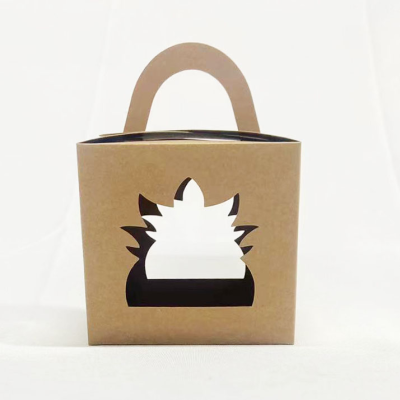
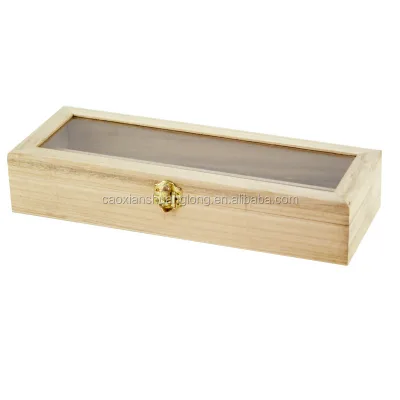
The observed product scope for luxury board boxes encompasses a broad array of materials, including art paper, cardboard, rigid paper, and kraft paper, each serving distinct aesthetic and protective functions. Listings frequently highlight customization options such as square, circle, oval, or rectangle shapes, with some designs incorporating windows or specific inserts like fabric, flocking, foam, blister, or plastic components. The presence of accessories such as ribbons, bows, and magnets further elevates the perceived value, suggesting that buyers should define their structural needs early to avoid misalignment between design intent and manufacturing capability.
Market signals also indicate a strong emphasis on sustainability and eco-friendly features, with many products claiming to be bio-degradable, recyclable, and made from paper materials. However, buyers must distinguish between general paper types and specialized applications, as some listings reference facial tissue or food-grade packaging alongside jewelry and cosmetic boxes. The observed usage categories span arts and crafts, electronic products, garments, greeting cards, and health care products, necessitating a clear definition of the end-use environment to select the appropriate paper weight, ranging from light art paper to heavy rigid board, and surface handling techniques.
Technical Specifications to Verify
Technical verification begins with confirming the paper type and weight, as observed listings specify attributes such as 250gsm paper, corrugated paper, and rigid paper constructions. Buyers must ensure that the selected material provides sufficient rigidity for the product’s weight and fragility, particularly for items like electronics or cosmetics. The shape and size specifications, including middle and large sizes, as well as custom dimensions like 28cm28cm5cm, require precise alignment with the product’s physical dimensions to prevent damage during transit. Additionally, the availability of different sizes, such as 8oz to 98oz equivalents, suggests that volume-based sizing is common, but buyers should verify internal dimensions rather than relying solely on external measurements.
Surface handling and printing techniques are critical for achieving the luxury aesthetic, with observed methods including screen printing, flexo, and offset printing. Buyers should verify the artwork format requirements, typically Ai, Pdf, Cdr, or Psd, and confirm the color matching process, which may involve CMYK or Pantone specifications. The presence of logo printing and custom colors indicates that brand identity integration is standard, but the quality of the finish, such as embossing, debossing, or foil stamping, must be validated through samples. Furthermore, the packing method, whether pallet, standard export carton, or bulk, impacts logistics costs and product protection, requiring clear agreement on packaging standards before production.
Compliance and Safety Documentation
Compliance verification is essential for luxury board boxes, particularly when they are intended for food, cosmetic, or health care product applications. Observed listings reference certifications such as ISO, HACCP, FDA, SGS, ISO9001, and BRC, indicating that suppliers may adhere to various international quality and safety standards. Buyers must confirm that the specific certification applies to the material and manufacturing process used for their order, as general company certifications do not guarantee product-specific compliance. For food-grade applications, ensuring that the paper and inks are non-toxic and safe for indirect food contact is paramount, requiring documentation from the supplier.
In addition to safety certifications, sustainability claims such as bio-degradability and recyclability should be supported by verifiable data or recognized standards. While some listings mention FSC certification, buyers should treat this as a potential attribute rather than a guaranteed fact, requesting proof of chain-of-custody documentation if sustainable sourcing is a core brand value. The H.S Code 3919909000 observed in some listings may indicate a classification discrepancy for paper boxes, so buyers should verify the correct customs classification to avoid import delays or duties. Clear communication regarding regulatory requirements in the destination market is necessary to ensure that the packaging meets all local legal standards.
Cost Drivers and Commercial Terms
Cost drivers for luxury board boxes are influenced by material selection, customization complexity, and order volume. The observed price range of $0.02 to $750 reflects the impact of factors such as paper weight, surface finishing, and the inclusion of accessories like magnets or ribbons. Buyers should anticipate higher costs for rigid paper constructions and intricate designs, while simpler art paper boxes may offer more competitive pricing. The MOQ range of 1 to 50,000 units provides flexibility for small businesses and large enterprises, but economies of scale typically apply, with unit costs decreasing as order quantities increase.
Commercial terms also include sample times, which are observed to be 3-7 days, allowing buyers to validate quality before committing to full production. Lead times for bulk orders are not explicitly stated in the observed data, so buyers must negotiate clear delivery schedules and penalties for delays. Payment terms, shipping methods, and insurance coverage should be defined in the contract to mitigate financial risk. Additionally, buyers should consider the cost of artwork preparation and plate making, which may be charged separately, and verify whether these costs are refundable upon order placement.
Supplier Qualification and Quality Control
Supplier qualification involves assessing the manufacturer’s capability to deliver consistent quality and meet customization requirements. Buyers should verify the supplier’s production capacity, quality control processes, and experience with luxury packaging. The observed service offerings, including OEM and custom design support, indicate that many suppliers are equipped to handle complex projects, but buyers must evaluate their technical expertise through portfolio reviews and client references. Communication efficiency and responsiveness are also key indicators of a reliable partner, especially when managing intricate design specifications.
Quality control measures should include pre-production sample approval, in-process inspections, and final random inspections before shipment. Buyers should define clear acceptance criteria for defects, such as misalignment, color variation, or structural weaknesses, and ensure that the supplier has a robust process for addressing non-conformities. The observed packing methods, such as standard export cartons or custom requirements, should be validated to ensure that products arrive in pristine condition. Establishing a clear feedback loop and continuous improvement process with the supplier can help maintain high standards over time.
Long-Term Procurement Checks
Long-term procurement success depends on establishing a strategic partnership with suppliers who can adapt to changing market trends and customer expectations. Buyers should regularly review supplier performance metrics, including on-time delivery, quality consistency, and responsiveness to issues. The observed design trends toward sustainability suggest that suppliers who invest in eco-friendly materials and processes will be better positioned to meet future regulatory and consumer demands. Buyers should encourage suppliers to innovate and provide updates on new materials and technologies that could enhance product value.
Continuous monitoring of market prices and material costs is essential for budgeting and negotiation purposes. Buyers should maintain a diversified supplier base to mitigate risks associated with supply chain disruptions or quality failures. Regular audits and site visits, if feasible, can provide deeper insights into manufacturing practices and compliance adherence. By fostering open communication and collaborative problem-solving, buyers can build resilient supply chains that support brand growth and customer satisfaction in the competitive luxury packaging market.
FAQs
Can luxury board boxes be customized with specific shapes and logos?
Yes, luxury board boxes support full customization including square, circle, oval, or rectangle shapes. You can add your logo using screen printing or flexo and offset methods. Artwork formats like Ai, Pdf, Cdr, and Psd are accepted. Custom colors in CMYK or Pantone are available to match your brand identity perfectly.
What materials are used for manufacturing luxury board boxes?
Manufacturers typically use art paper, cardboard, rigid paper, and kraft paper for these boxes. These materials ensure durability and a premium feel. The boxes are designed to be bio-degradable, eco-friendly, and recyclable. This aligns with sustainability design trends while providing sturdy protection for various product categories.
What certifications do luxury board box suppliers usually hold?
Suppliers often hold ISO, HACCP, FDA, SGS, ISO9001, and Brc certifications. These standards ensure quality management and food safety compliance. Some products may also meet specific export standards. These certifications verify that the manufacturing processes adhere to international requirements for safety and quality control.
What is the typical sample time for luxury board box orders?
The sample time is generally 3-7 days. This allows for quick verification of design, material, and printing quality before mass production. Once the sample is approved, the manufacturer proceeds with bulk production. This efficient timeline helps accelerate your product launch schedule significantly.
What are the common packaging methods for shipping luxury board boxes?
Boxes are packed in standard export cartons, on pallets, or in bulk. Packaging can be customized to meet specific customer requirements. This ensures safe transit and minimizes damage during shipping. The flexible packing options accommodate different logistics needs and storage constraints for international buyers.
Which industries commonly use luxury board boxes for packaging?
These boxes are used for arts and crafts, electronics, jewelry, garments, greeting cards, letters, gifts, cosmetics, and health care products. The versatile design supports various product types. The sturdy construction protects items while enhancing brand presentation. This broad applicability makes them ideal for diverse retail sectors.